
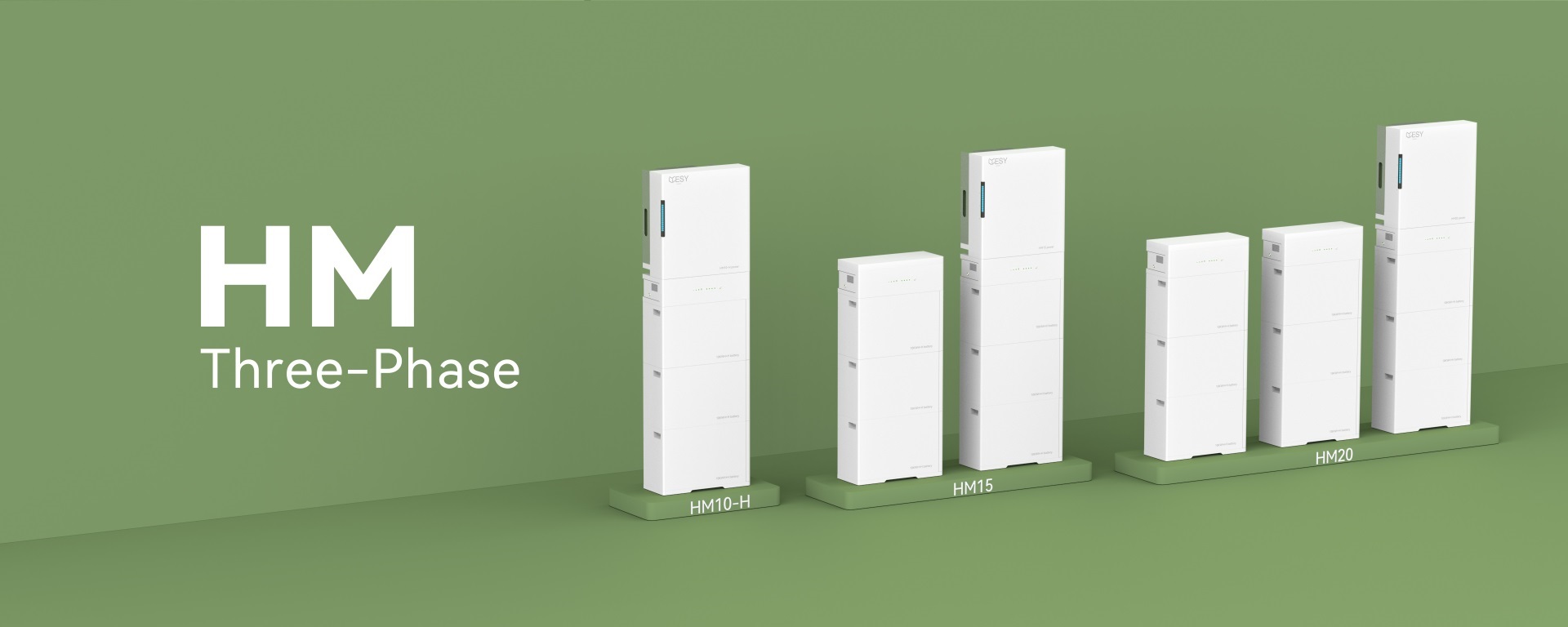
A 15kW hybrid inverter is designed for solar-plus-storage projects that require higher AC output, flexible battery integration, and reliable backup power. Most modern units provide 97%–98.5% efficiency, support 20kW–30kW PV arrays, and work with battery capacities from 10kWh to more than 60kWh. Selecting a suitable model depends on PV oversizing capability, battery voltage range, MPPT design, backup performance, communication options, and long-term service support.
15kW hybrid inverter solutions are commonly used in large homes, farms, workshops, and small commercial buildings where solar generation needs to work together with battery storage. Compared with standard grid-tied inverters, hybrid models manage both solar production and battery charging through bidirectional power conversion.
A typical 15kW hybrid inverter receives DC power from solar panels, converts it into AC electricity for household or commercial loads, and stores extra generation in batteries. During low solar periods, stored energy can supply electricity without relying fully on the grid.
A 15kW inverter paired with suitable battery capacity can increase solar self-consumption from around 30%–40% in basic grid-connected systems to 70%–90% in well-designed solar-plus-storage projects.
The growing demand for energy storage has changed inverter design requirements. In 2024, global battery energy storage installations continued expanding, with residential and commercial systems representing a significant share of new deployments. Many users now prefer systems that allow future battery additions instead of fixed-capacity solutions.
A common configuration is a 15kW solar system with expandable battery storage, where the inverter starts with a smaller battery pack and allows additional modules to be installed later. This approach helps homeowners and businesses adjust storage capacity based on electricity usage changes.
| Technical Item | Typical Range |
|---|---|
| AC output power | 15kW |
| PV input capacity | 20kW–30kW DC |
| Maximum efficiency | 97%–98.5% |
| Battery voltage | 100V–800V |
| MPPT quantity | 2–4 channels |
| Backup switching time | 10–20ms |
| Protection rating | IP65 |
Efficiency differences between inverter models may appear small but affect annual energy production. For a solar system generating 25,000kWh per year, a 1% efficiency gap can result in approximately 250kWh electricity difference annually.
Higher efficiency is usually achieved through improved power electronics, better thermal management, and optimized conversion algorithms. Many premium 15kW hybrid inverters maintain efficiency above 98% under suitable operating conditions.
PV oversizing capability is another important specification when comparing different products. A 15kW inverter does not always need to connect with only a 15kW solar array. Many manufacturers allow DC/AC ratios between 1.3 and 2.0, meaning a 15kW inverter may support 20kW–30kW solar panels.
This design improves electricity production during morning, evening, and cloudy periods. For example, a 25kW PV array connected to a 15kW inverter can provide longer daily generation compared with a smaller solar array, especially in regions with seasonal sunlight changes.
Battery compatibility affects installation flexibility and future expansion. Low-voltage batteries usually operate around 48V–100V, while high-voltage battery systems commonly operate between 200V and 800V.
For a 10kW discharge requirement, a 100V battery system needs about 100A current, while a 400V battery system requires around 25A. Lower current reduces cable size requirements and improves system efficiency.
High-voltage battery support is becoming more common in 15kW hybrid inverter products because it allows larger storage systems with improved electrical performance.
MPPT design also affects how well the inverter manages different solar conditions. A system with multiple MPPT channels can connect different roof sections, panel directions, or string layouts separately.
A two-MPPT inverter may work well for simple installations, while three or four MPPT designs are more suitable for buildings with complex roof structures. Solar studies have shown that partial shading can reduce string output by 10%–30%, depending on module arrangement and shading duration.
Backup capability is another area where inverter models differ. Many users install hybrid systems because they want electricity availability during grid interruptions.
Most 15kW hybrid inverters provide backup output close to the rated power, while some models support short-term overload capability between 120% and 150%. This helps supply equipment with temporary startup requirements, such as pumps, compressors, or HVAC systems.
| Backup Feature | Common Specification |
|---|---|
| Transfer time | 10–20ms |
| Backup output | 100% rated power |
| Short overload | 120%–150% |
| Battery backup duration | Depends on storage size |
Energy management functions have become standard in newer inverter platforms. Communication methods often include Wi-Fi, Ethernet, RS485, and CAN communication.
These functions allow users to control charging schedules, monitor solar production, and adjust battery operation according to electricity prices. In regions with time-of-use tariffs, storing solar energy during daytime and using batteries during expensive evening periods can reduce grid electricity consumption.
A 2023 residential energy study showed that smart energy scheduling could increase self-consumption rates by approximately 20%–40% compared with systems without automated battery management.
Safety features should also be reviewed when comparing inverter options. Outdoor hybrid inverters usually include IP65 protection, surge protection, over-temperature monitoring, short-circuit protection, and anti-islanding functions.
Anti-islanding protection is required in many countries because it prevents solar systems from continuing to supply electricity to a damaged grid. Standards such as IEC 62109 and regional grid regulations define requirements for inverter safety performance.
Installation environment also affects product selection. Residential users usually focus on quiet operation, compact size, and simple monitoring. Agricultural and commercial users often require stronger weather protection and larger battery expansion options.
| Application | Preferred Inverter Features |
|---|---|
| Large homes | Backup power, smart monitoring |
| Farms | Outdoor durability, expandable batteries |
| Workshops | High output stability |
| Small commercial sites | Energy management, peak reduction |
Warranty and service availability influence long-term ownership. Many 15kW hybrid inverter manufacturers provide 5–10 years warranty coverage, with optional extensions available in some markets.
Because inverter replacement costs include equipment, labor, and system downtime, reliable after-sales support is important for projects expected to operate for more than 10 years.
Price differences between inverter models often come from hardware quality, software functions, battery compatibility, and warranty conditions. A lower purchase price may be suitable for simple installations, while larger solar-plus-storage projects usually require stronger expansion capability.
A 15kW hybrid inverter should be evaluated together with the PV array, battery system, local electricity rules, and expected usage pattern. Systems designed for future expansion generally provide more flexibility than fixed-size installations.
A properly matched 15kW hybrid inverter can support higher solar utilization, stable backup operation, and flexible battery growth throughout the system lifetime.
For projects using a 15kW solar system with expandable battery storage, inverter selection should focus on efficiency, battery voltage compatibility, MPPT performance, backup specifications, communication features, and warranty support. These factors determine how effectively the system can manage solar energy over years of operation.